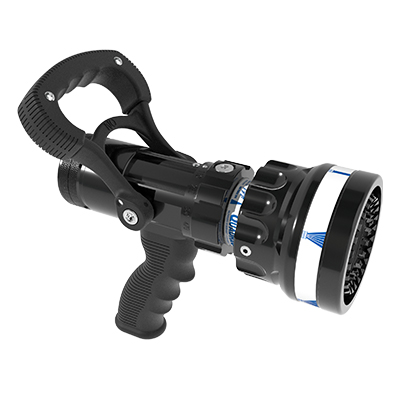
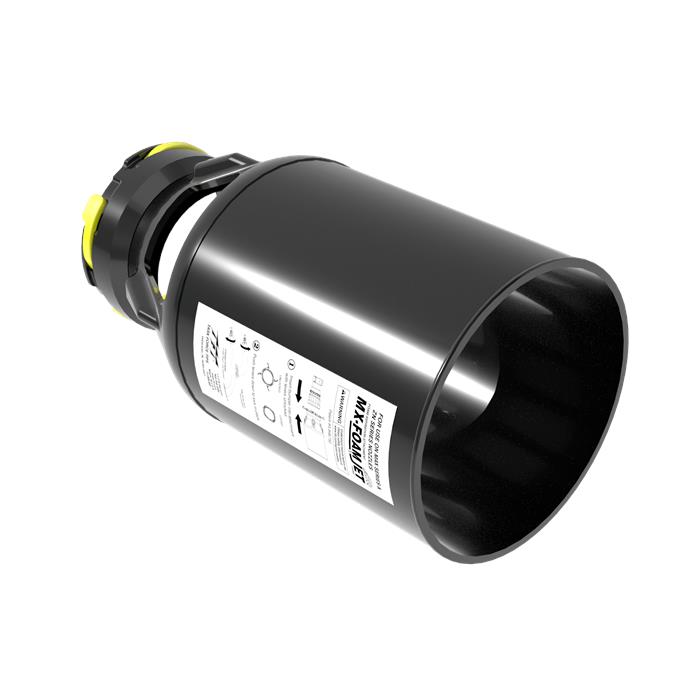
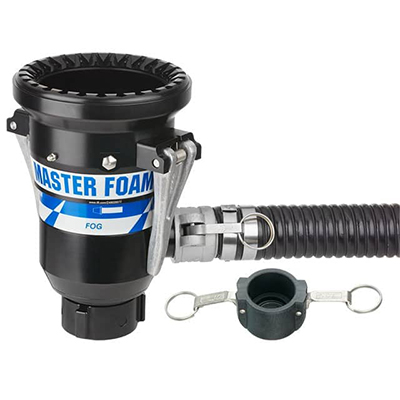
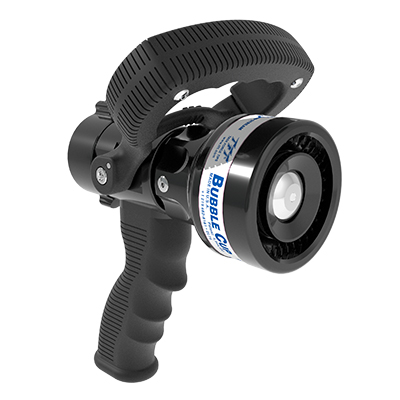
From proportioning to application — TFT has you covered.
Foam Standards Have Changed. Are You Ready?
Foam standards are evolving. Our updated Foam Guide covers the latest requirements, approved agents, and TFT solutions — everything you need to stay compliant and effective.
Download Now:
Will Your Hardware Handle Fluorine-Free Foam?
0:000:00
TFT Equipment Engineered to Meet Today's Foam Requirements
Not necessarily. SFFF concentrates vary significantly by manufacturer in viscosity and chemical composition, and may not proportion correctly with eductors designed for AFFF. Testing is required to confirm compatibility.
Yes — and significantly. Depending on the agent, required application rates can increase by 47% or more compared to legacy AFFF, which may require moving to a higher GPM eductor.
Yes. AFFF had multiple suppression mechanisms working simultaneously. SFFF relies more heavily on foam blanket quality, making expansion ratio and drain time critical factors in whether the agent performs effectively on the fireground.
Requirements vary by state and agency type. The DoD has already stopped purchasing AFFF, more than a dozen states have enacted restrictions, and additional legislation is pending. The guide outlines the current regulatory landscape.