Water Supply

Why the Right Valve Makes All the Difference in Fireground Flow

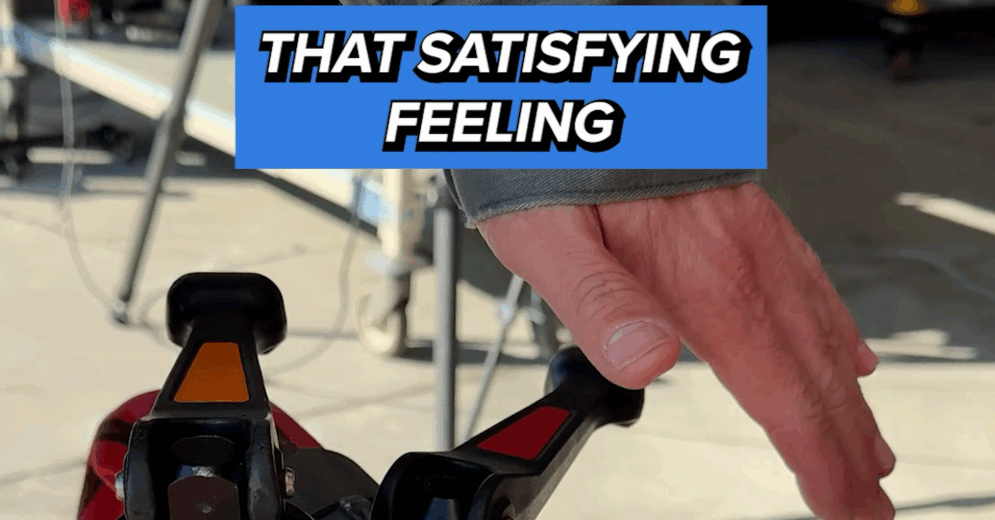
Summary: Choosing the right valve matters — especially when you’re dealing with large lines and split lays. The Water Thief with rocker lugs gives firefighters reliable control in chaotic moments, allowing them to split flow, manage pressure, and keep operations moving without leaks or lag. It’s a low-drama, high-performance valve built for real-world use.
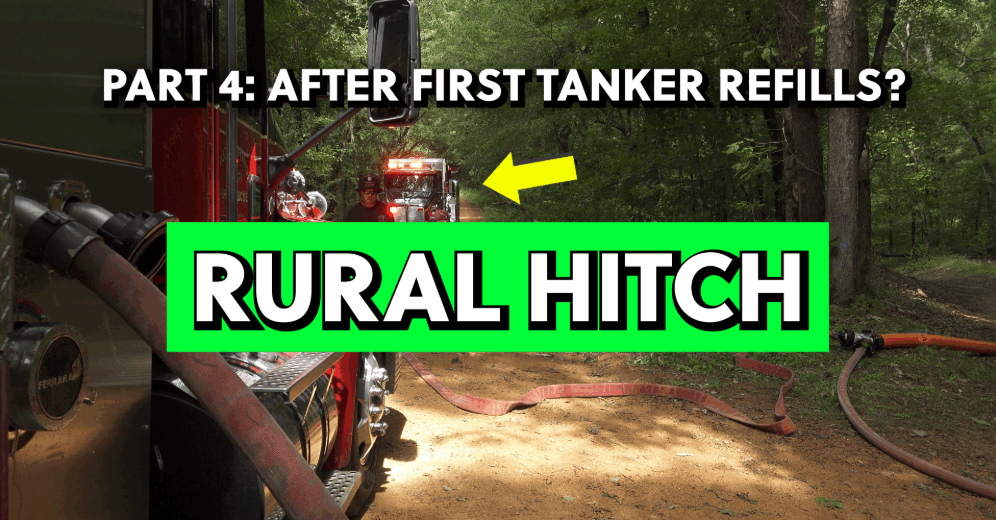
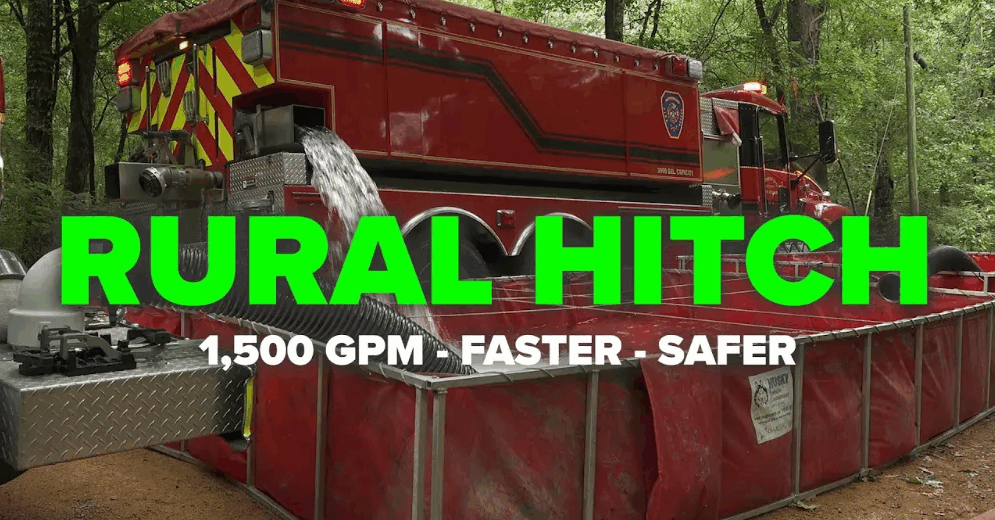
How to Build a Full Dump Site for the Rural Hitch

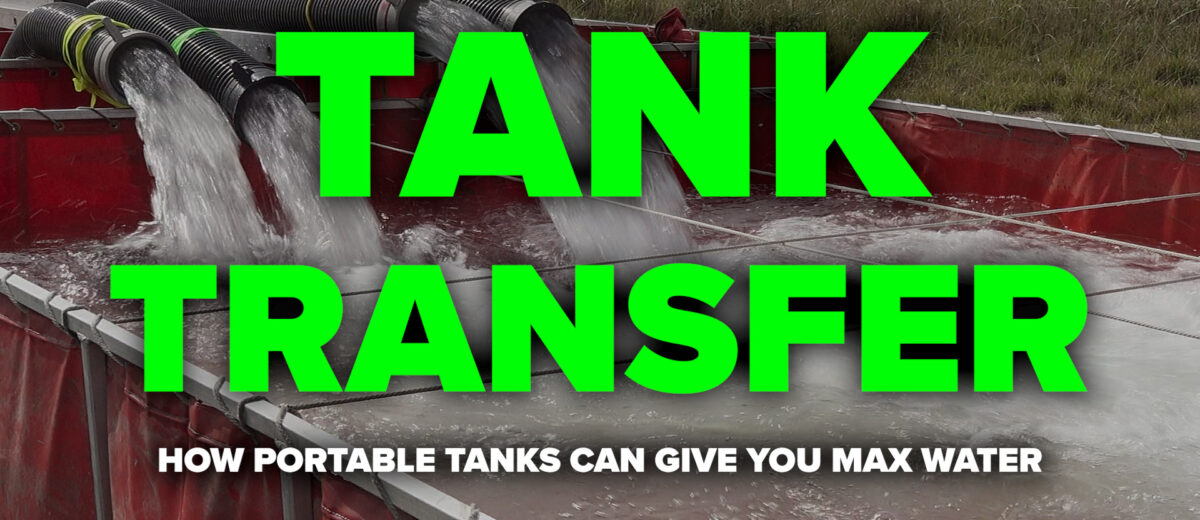
Summary: After the first tanker refills and leaves, building a full-scale dump site becomes critical to sustain and scale your water supply. This next phase in the rural hitch operation includes deploying folding frame tanks, suction hose, low-level strainers, and any needed adapters to transition from a quick-hit setup to a high-flow dump site. With the initial Siamese setup delivering 500–600 GPM, a fully built dump site allows you to expand your operation without slowing down fire attack.

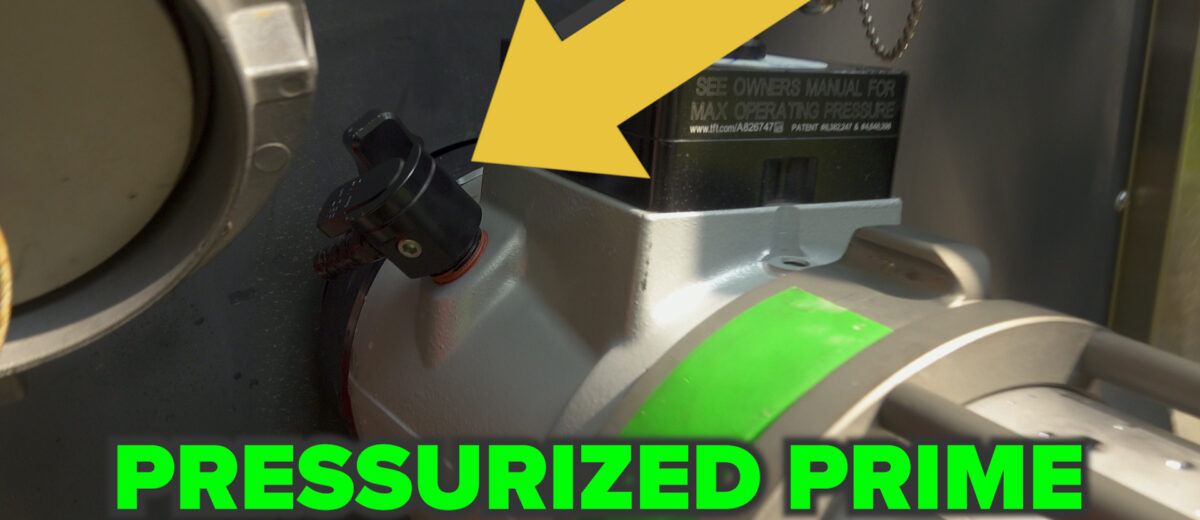
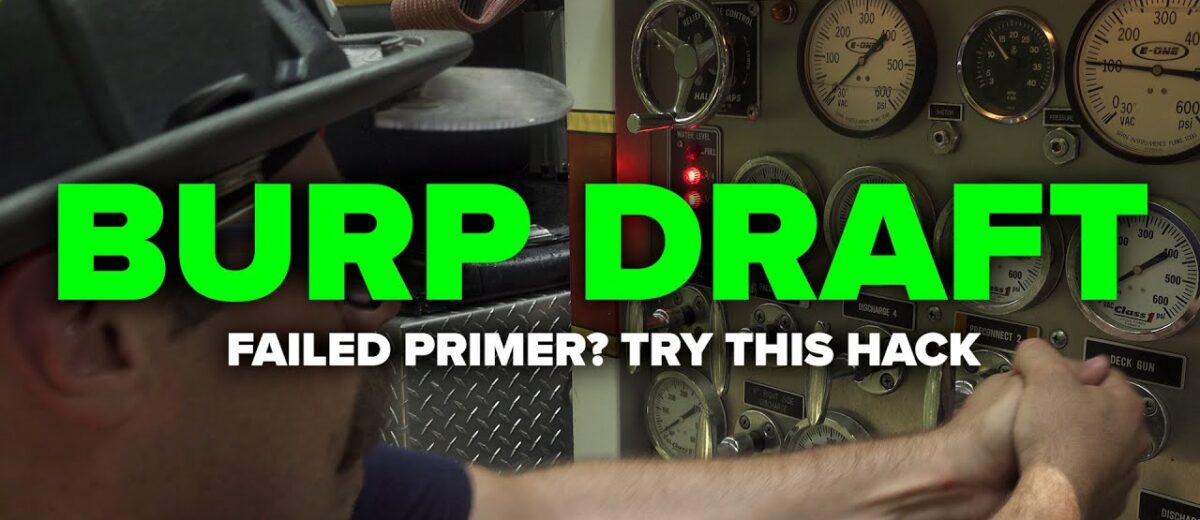
How to Use Burp Drafting When Your Primer Fails

Summary: When your primer fails on a rural fire scene, burp drafting can be a lifesaver. By opening your tank-to-pump and tank-fill valves and recirculating water at high speed, you can create enough negative pressure at the pump’s impeller to self-prime and draw in water. This keeps operations flowing without delay or external assistance—especially critical when hydrants aren’t an option.

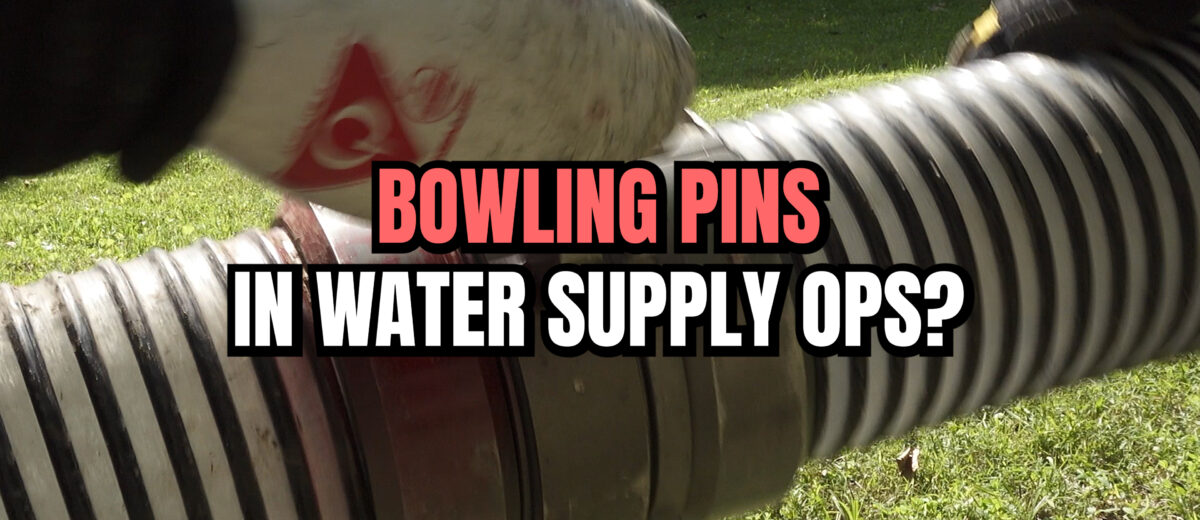
6 Reasons Why Firefighters Are Using Bowling Pins in Water Supply Ops

The viral reel showing firefighters using bowling pins for water supply ops sparked major curiosity for good reason — they’re cheap, ergonomic, and float. But that’s just the surface. In the full episode with Andy Soccodato of The Water Thieves, he breaks down not only why bowling pins work, but how to think differently about field solutions, tool improvisation, and smooth water movement at the dump tank.

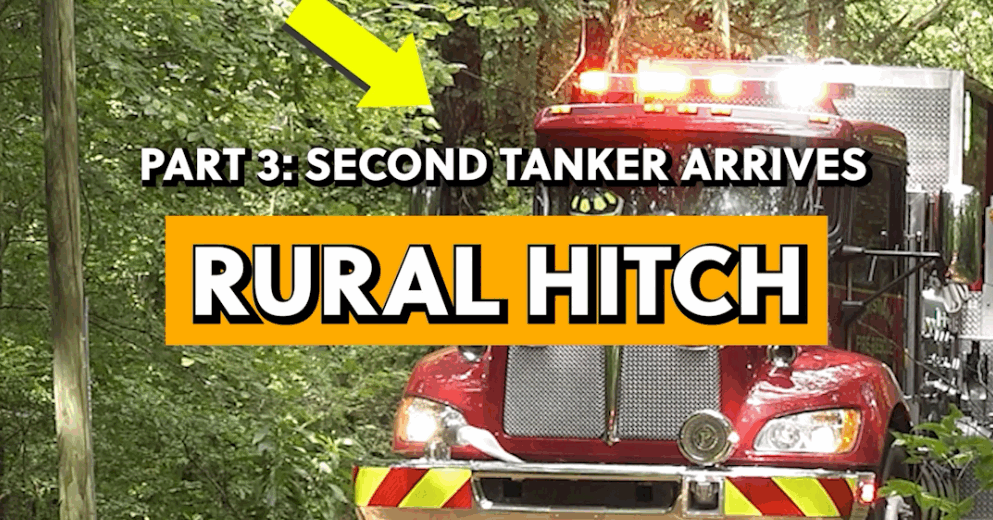
Effective Role of the Second Tanker in Rural Hitch Water Supply

Summary: In a rural hitch water supply operation, the second-arriving tanker plays a critical role in ensuring a seamless transition of water to the fireground. As Tanker One runs low, Tanker Two should stage at least 100 feet away, pre-connect a 3″ discharge line, and prepare to throttle up as soon as the first tanker is empty. This approach prevents delays, maintains water flow, and keeps the dump site operational and efficient.

How to Use a Clappered Siamese During Rural Hitch

Summary: To set up a rural hitch water supply, the first-arriving engine should stop at the driveway entrance, pull one or two sections of supply hose, and drop a Clappered Siamese. The engine then lays line into the scene. Incoming tankers connect a 3″ line from a discharge into the Siamese to offload water without needing additional personnel or access to the fireground. The clapper valve opens automatically under pressure, making this one of the fastest and cleanest setups for rural water delivery.

TFT Ball Intake Valve Repair Kits: Stop Leaks, Replace Seats & Seals, Find the Right Rebuild Kit

TFT Ball Intake Valve Repair Kits: Stop Leaks, Replace Seats & Seals, Find the Right Rebuild Kit View Transcript So after years of reliable service, you may notice your intake valve from TFT starts to develop some leaks. This is all due to normal wear and tear, and debris in the water possibly wearing down […]