00:00:00:03 – 00:00:02:05
Jelen Greene
We’ll primarily use it here in Louisville
00:00:02:05 – 00:00:04:05
Jelen Greene
on our longer courtyards
00:00:04:05 – 00:00:06:10
Jelen Greene
or like an alley or something where it’s hard to
00:00:06:13 – 00:00:15:28
Jelen Greene
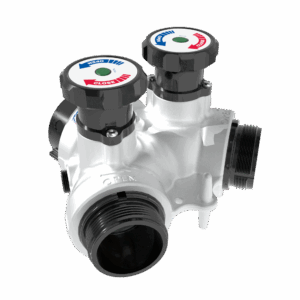
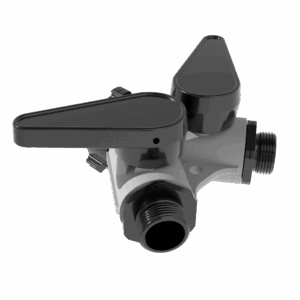
access and get a pumper back there. We can stop at the end of that alley, drop the wye and take a few hundred feet of three inch, and then go through the back yard with our three
00:00:16:01 – 00:00:20:03
Narrator
Every city has places where the engine just can’t get close
00:00:20:06 – 00:00:38:12
Narrator
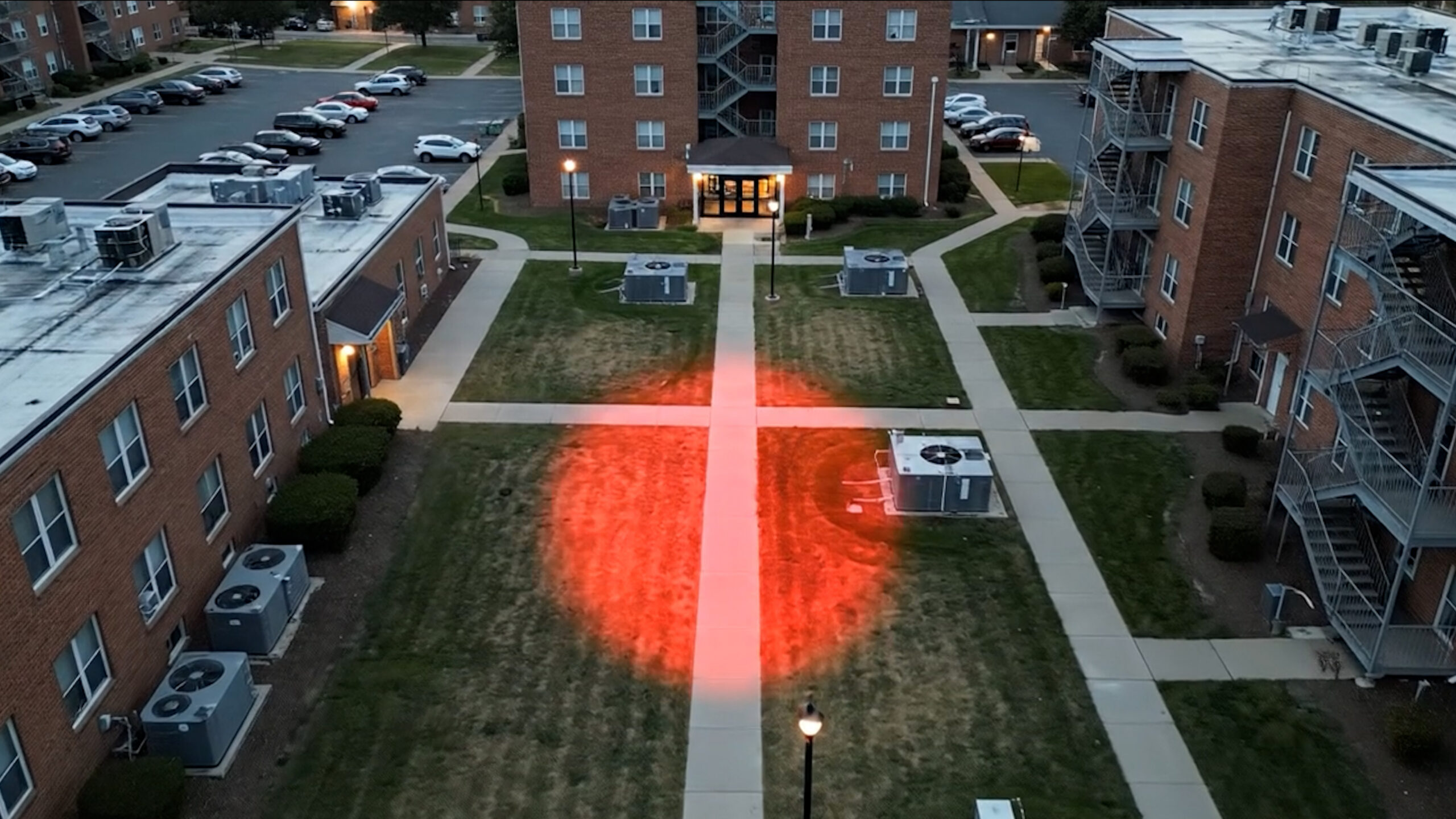
Long courtyards, offset alleys. Set back apartments. Places where you can see the fire building. But the stretch is going to take some work. In Louisville. The answer is a simple idea. Get big water close. Drop the why, then build your attack lines from there.
00:00:38:12 – 00:00:40:14
Donovan Sims
your courtyards, by dropping a,
00:00:40:14 – 00:00:47:28
Donovan Sims
gated a Y in the middle of the courtyard and bringing a bundle of 1-3/4” attack lines up to 150 to 200 plus feet of hose so you
00:00:47:28 – 00:00:51:08
Donovan Sims
can attack that without laying off a bunch of lines, trying to get
00:00:51:12 – 00:00:51:23
Donovan Sims
the seat of the
00:00:51:23 – 00:00:52:07
Donovan Sims
fire.
00:00:52:07 – 00:01:05:14
Tony Downes
basically just take a tactic to a high rise and turn them sideways. You know, we get into some courtyards where you’re 4 or 500ft off the street or could be or, you know, to get to the farthest point of that. So majority of our companies have
00:01:05:17 – 00:01:08:29
Tony Downes
three inch attached to a wye and then they have a bundle of inch and three
00:01:09:00 – 00:01:10:13
Tony Downes
quarter, available.
00:01:10:13 – 00:01:28:05
Tony Downes
So they can take the bundle of inch or three quarter and put it on the shoulder. They lay it to a courtyard or close to the entrance of it, the drop the wire. It allows the engine company to pump to the wide, allows the next engine in to bring in their bundle, a hose hook up to the wire, and you have to land pretty quick on a, you know, an apartment fire
00:01:28:09 – 00:01:41:00
Narrator
This is the horizontal high rise concept, and on this episode, Louisville firefighters walk through an overview and then provide tips on how to avoid problems in nine key areas of the evolution.
00:01:41:02 – 00:01:46:11
Narrator
Initial arrival deploying the why and the bundle of hose.
00:01:46:14 – 00:01:55:28
Narrator
Deploying the cross lays. Interior attack mistakes. Nozzle choice, exposure protection.
00:01:56:01 – 00:01:57:18
Narrator
Ventilation.
00:01:57:21 – 00:02:04:18
Narrator
Search specifically vacant buildings and after suppression, checking for fire extension.
00:02:04:18 – 00:02:22:05
Narrator
Become a long lay expert on episode 13 of Fully Involved.
00:02:22:08 – 00:02:32:17
Donovan Sims
ranges depending on which part of the city you’re in. If you’re in, West Louisville or Portland or overall or east Louisville or downtown, you’re going to see a different dynamic depending on where you’re responding from.
00:02:32:20 – 00:02:40:18
Narrator
The crew is in Louisville, Kentucky, looking at major access problems that you’ll find in a city that dates back to 1778.
00:02:40:24 – 00:02:50:08
Narrator
Courtyards, alleys, setback buildings, and residential stretches where the engine may not be able to get, where the crew needs the water to go.
00:02:50:11 – 00:03:00:15
Narrator
Here’s the scenario. Fires in a home that’s set back and access on the street is tough. Louisville Fire Department treats this like a high rise laid on its
00:03:00:18 – 00:03:16:09
Narrator
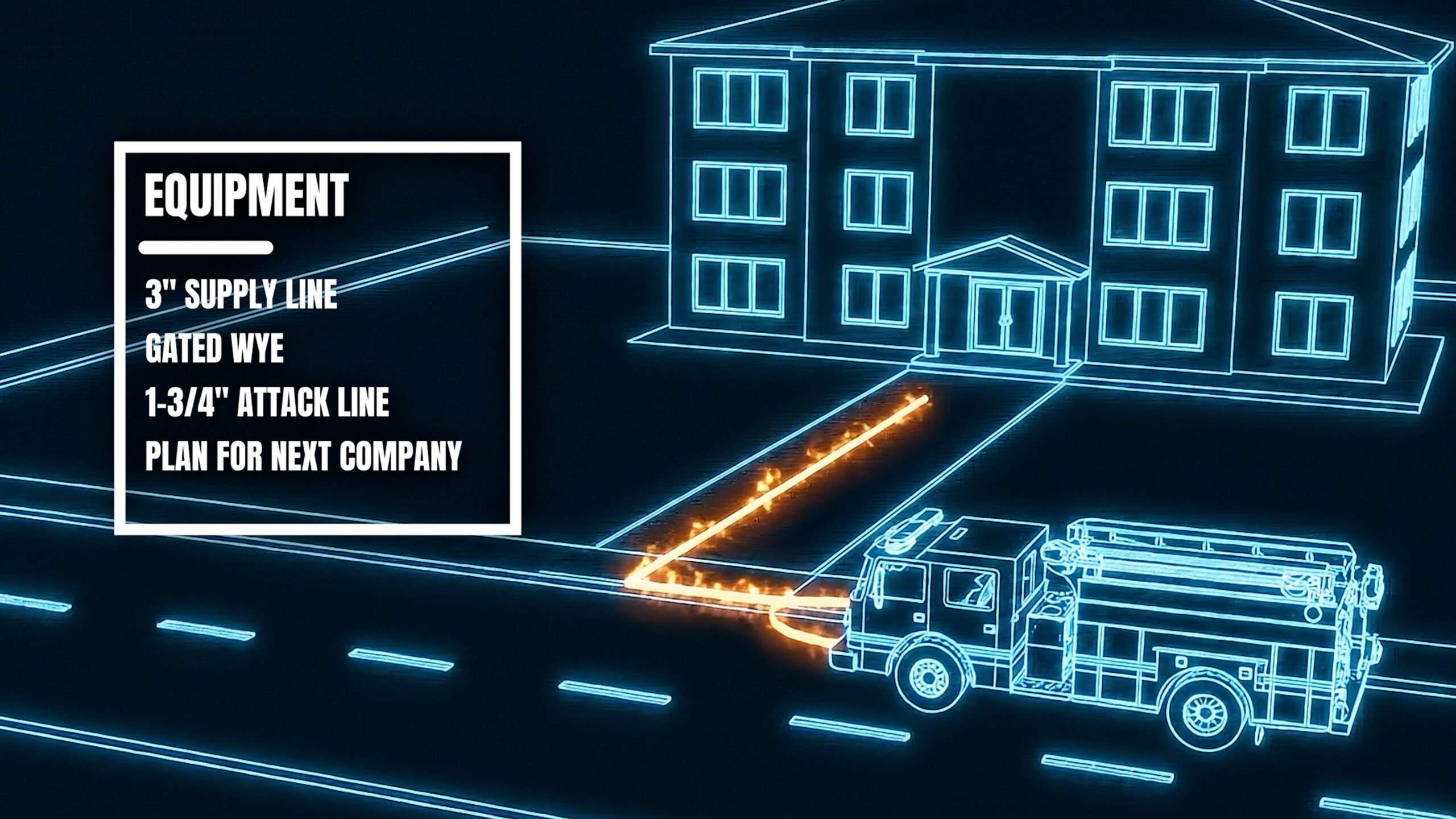
Here’s what you’ll find on this particular crew. Three inch supply, a gated why an inch and three quarter attack line and a plan for the next company coming in. The engine has to get water moving and the truck has to think search.
00:03:16:09 – 00:03:24:17
Philip Marchegion
So what we’re simulating today is companies responding to a report of a house fire. Our normal response for house fire is four engines, two trucks and a battalion chief.
00:03:24:17 – 00:03:33:28
Philip Marchegion
So what we’re simulating is the first two pieces arriving, one engine and one truck. The engine’s primary responsibility: Get a supply line. Get water on the fire. The truck,
00:03:34:00 – 00:03:53:12
Philip Marchegion
their main responsibility: Search and rescue. The engine is doing that as well. But that’s the main responsibility for the truck company. So what we’re going to see is our example we’re using is an offset alley. Some might call it a courtyard. Our hose lay we’re doing is laying two. That’s a term we use. Not many other people do that.
00:03:53:14 – 00:04:13:01
Philip Marchegion
Laying two: We’re laying a 3-inch supply line with a wye on it. Off one side of that wye we’ll lay our 1-3/4” attack line to go inside the next arriving company without disrupting our water flow, can hook into the additional side of the wye that we’re not using. So what we’re going to see is the first engine laying a supply line, laying the wye, laying their
00:04:13:01 – 00:04:22:08
Philip Marchegion
initial attack line. The truck is coming in with them lightening in hose, bringing in extra hose for them. But their main responsibility is to get to that seat of the fire and search and rescue.
00:04:22:14 – 00:04:33:00
Narrator
On a long lay. The first mistakes can happen before the line ever gets charged. And now every company after you is working around that first mistake.
00:04:33:05 – 00:04:46:23
Philip Marchegion
our first company or two arrives on the scene and they will go back to extreme positioning, you position the wrong spot. You’ve bottlenecked the streets. Companies are parking a block away where there should be blocked parking ten feet away.
00:04:46:28 – 00:04:53:26
Philip Marchegion
Supply lines. You lay your supply lines in the wrong locations, you’re blocking access. You choose the wrong diameter hose line.
00:04:53:29 – 00:04:58:26
Philip Marchegion
You have a warehouse fire. You don’t want to pull the entire three quarter hose. You’re not going to do any any good with it.
00:04:58:29 – 00:05:05:02
Philip Marchegion
So just those initial key things. And if you make their own decisions, those companies are pulling in. And now we’re playing catch up.
00:05:05:07 – 00:05:07:13
Philip Marchegion
That’s not the position we want to put ourselves in.
00:05:07:15 – 00:05:13:16
Narrator
One of those critical early moves is deploying the gated why and bundle of inch and three quarter hose.
00:05:13:16 – 00:05:30:22
Jelen Greene
you’re going to want to make sure you get that, wye on your shoulder. And then you’re also going to have that bundle. You have 200ft of that 1-3/4”. You’re going to have that over your other shoulder, big thing where you can mess up on that, scenario is not judging your distance.
00:05:30:22 – 00:05:38:16
Jelen Greene
Right. If you bring that wye too far into your courtyard or all the way up to the front door, like you’re laying a crosslay,
00:05:38:18 – 00:05:49:07
Jelen Greene
you’re going to have it all bunched up there at the door. So you want to be able to, you know, and that takes reps, judging your distance. How far I am from the door. Alright. How far am I from the pumper.
00:05:49:07 – 00:05:53:25
Jelen Greene
Let me go ahead and drop the wye here, and I’m going to start flaking out my 200ft that I’ve got on my shoulder.
00:05:54:00 – 00:06:03:03
Narrator
drop the gate and why right in the line has room to work. Drop it wrong and the crew is fighting the hose before they even fight the fire.
00:06:03:05 – 00:06:09:20
Narrator
When it fits the distance and the building pulling from the cross lay can be the fastest way to get a line in service.
00:06:09:22 – 00:06:26:01
Jelen Greene
We pulled our crosslay. So firefighter just grabbed a couple flakes from the top, and you notice he walked backwards to kind of flake it out as he went. This is really smooth. Those guys are really good at, laying their lines.
00:06:26:01 – 00:06:27:04
Jelen Greene
Again, comes from reps,
00:06:27:04 – 00:06:36:09
Jelen Greene
key to that is, you know, sometimes you’ll see people grab, they’ll try to grab the entire bundle off, like they’re laying the wye
00:06:36:12 – 00:06:46:08
Jelen Greene
And again, that you can get bunched up taking that to the door or, you know, it doesn’t flake off correctly, and then you’re scrambling to flake it out afterwards.
00:06:46:08 – 00:06:57:01
Jelen Greene
using that crosslay though, it’s the quickest way to deploy line that’s, you know, they’re pre connected. Typically in Louisville we have a 200ft crosslay and a 300ft crosslay.
00:06:57:09 – 00:07:09:16
Jelen Greene
So you can grab the 300 and you get to the building and realize you don’t need 300ft. The sergeant can easily break it off and you can, you know, adjust from there. On your distance.
00:07:09:19 – 00:07:13:17
Narrator
Once the line is in place, the next mistake can happen inside.
00:07:13:19 – 00:07:24:03
Tony Downes
A lot of times they shut the nozzle down too quick. They don’t you know, the you trained to do a little burst of water and stuff like that. Or if you’re in a, you know, a live training fire, you don’t always put a lot of water on it.
00:07:24:05 – 00:07:30:04
Tony Downes
I think a lot of times we, we don’t put enough water quickly enough on it or they’ll try to shut it down.
00:07:30:04 – 00:07:39:15
Tony Downes
And, ventilation is a big key to us. You know, we try to open up the roof, we try to open up the windows and try to get the contamination out of the house as quickly as we can, too.
00:07:39:18 – 00:07:48:15
Tony Downes
you know, stay on the ground, stay low for a little bit, you know, put a lot of water on it, get the ventilation and smoke out there and then see if the conditions continue to change.
00:07:48:17 – 00:07:52:13
Narrator
Nozzle choice can start a firehouse debate fast.
00:07:52:16 – 00:07:55:21
Narrator
Louisville’s tradition is largely combination nozzles.
00:07:55:21 – 00:08:11:19
Tony Downes
we don’t use a lot of smooth bores. Okay. It’s just history, I guess. You know, we’ve always kind of had the adjustable gallon nozzle nozzle for a long time. The only smooth bores we really use are on our ladder pipes. Or we do have some that we use for three inch, you know, we’ll call our big pipe.
00:08:11:21 – 00:08:16:12
Narrator
Now let’s head to TFD headquarters for a bonus tip about nozzle choice.
00:08:16:15 – 00:08:18:06
Ben Lehman
There’s a lot of departments that are struggling,
00:08:18:06 – 00:08:32:18
Ben Lehman
with an internal argument between going smooth border, staying fog and, this nozzle checks a lot of boxes. It gives you a disperse pattern. It’s low operating pressure, meaning low reaction force. It’s high volume. It’s a solid border stream.
00:08:32:24 – 00:08:40:24
Ben Lehman
The fins can mechanically agitate foam. So if you’re using more of a Class-A foam, that’s going to be a friendly option for you versus trying to do a foam tube.
00:08:40:27 – 00:08:43:28
Ben Lehman
So you’ve got a few things on the vortex that are unique.
00:08:44:01 – 00:08:51:05
Ben Lehman
Do you want to learn more about the vortex nozzle or any other of our smooth bore suite? Check out tft.com/shop.
00:08:51:08 – 00:09:01:15
Narrator
As the crew learned in episode 12, Louisville Calls means some of the tightest housing in the country, and with it, some critical exposure decisions.
00:09:01:22 – 00:09:19:02
Christopher Thompson
Tell me about what’s happening right here before our eyes. Here. Well, in theory, like, if you could pretend like there was, a house six inches from what we’re doing, what we’re doing is put water on that exposure to protect it, which it really can’t. It’s hard to. It’s hard to just say, pretend like it’s there.
00:09:19:04 – 00:09:32:02
Christopher Thompson
How important is this to have just, like, hit the right angle? I mean, it’s relatively easy. Like, if there’s fire blowing out of a side order exposure, you’re putting water right on that exposure. Right? Right on the exposure.
00:09:32:05 – 00:09:35:09
Christopher Thompson
We don’t fog those nozzles out and just sediment between the house.
00:09:35:12 – 00:09:56:12
Christopher Thompson
Make sure that that water hits the exposure. Because when you apply a small nozzle in between the buildings, that’s when you affect ventilation in a potentially negative way. If the fire can’t fit, then what you’re doing is you’re making conditions worse on guys on the inside. And that ball nozzle in between the buildings doesn’t always let it get to where we want it to.
00:09:56:15 – 00:10:00:29
Christopher Thompson
Right. So we put water right on the exposure, not just in between the buildings.
00:10:01:01 – 00:10:07:29
Narrator
Meanwhile, the truck company is busy making its decisions on arrival. Here’s how this crew thinks about ventilation.
00:10:07:29 – 00:10:25:03
Philip Marchegion
our first trucks assignment, as well as search and rescue. Situationally, it depends, but not nine times out of ten they’re going to go to the roof, do vertical ventilation. You’ll see that in a video. They’ll use a roof ladder here. It’s a little bit steeper pitch for safety reasons.
00:10:25:06 – 00:10:27:10
Philip Marchegion
Ventilate the roof for about four hole.
00:10:27:12 – 00:10:29:06
Philip Marchegion
Let the smoke out. But the heat out,
00:10:29:14 – 00:10:34:09
Philip Marchegion
benefits our firefighters operating inside benefits. Any victims we may not have found
00:10:34:10 – 00:10:38:23
Philip Marchegion
yet. That’s the reason we’re also very aggressive with our vertical ventilation.
00:10:38:26 – 00:10:54:23
Andrew Tompkins
we as far as fire, we direct it through, you know, three elements of, ventilation that the air, you know, pushing the fan through it, obviously, you know, pushing water through it, but kind of fight fire with fire, but determined at least resistance.
00:10:54:23 – 00:11:15:06
Andrew Tompkins
So trying to find, means of egress for by way of, by way of, you know, good flow to get that, get that smoke and and then wait it out, but obviously horizontal and vertical ventilation that’s going to descend on the truck companies obviously get to the roof, get what they need to do to cut holes, to, get that good vertical ventilation through.
00:11:15:08 – 00:11:20:24
Andrew Tompkins
But, yeah. No, it’s just, it’s just rehearsing those tactics over and over.
00:11:20:27 – 00:11:26:21
Tony Downes
Water. What is one of the big things? You know, vertical ventilation tries to takes the heat off. You can’t side
00:11:26:26 – 00:11:37:12
Tony Downes
ventilate. Open the windows either. You’re going to create problems with your exposure. So try to confine that to the building by using water. Take the heat off of them by using the vertical ventilation and stuff like that.
00:11:37:19 – 00:11:50:08
Christopher Thompson
You got to be tactical about where you ventilate, because you can make conditions worse for the other buildings. So why is that? Just because of the direction you can push, push the pressure far and, you know, all gas and all that.
00:11:50:10 – 00:11:54:27
Narrator
The line, the roof, the windows, and the exposures are all connected.
00:11:55:00 – 00:12:00:05
Narrator
Winning for Louisville means a coordinated effort that doesn’t sacrifice aggressiveness.
00:12:00:12 – 00:12:04:25
Narrator
When it comes to search, Louisville treats all buildings as occupied.
00:12:04:28 – 00:12:09:28
Donovan Sims
that’s not, limited to just war, just to Louisville. I’m sure this is a nationwide thing.
00:12:10:01 – 00:12:21:20
Donovan Sims
our fire response approach, we never treat a building as it’s vacant, as it’s not occupied when we get, dispatched and we make our response, we always want to make sure we’re doing a thorough search, making sure there are no occupants inside.
00:12:21:25 – 00:12:23:27
Donovan Sims
We also take account to target hazards,
00:12:23:27 – 00:12:24:29
Donovan Sims
where we’re always,
00:12:24:29 – 00:12:50:19
Donovan Sims
investigating other places as we’re out on runs a survey and our, our, first response area. And note taking account of what? Oh, that might be a vacant structure. That might be an abandoned building. And knowing going into that, our safety officers, our operation chiefs are going to make sure we’re doing the having the right tactics in place, because inside some of those vacant structures, as many will know, you have dilapidated, dilapidated floors, you have ceilings that have collapsed.
00:12:50:19 – 00:12:51:09
Donovan Sims
You have,
00:12:51:11 – 00:12:56:19
Donovan Sims
just things that are going to be an extra hazard other than just a fire.
00:12:56:21 – 00:13:03:27
Narrator
The fire may look knocked down at this point, but the work’s not done until the building is opened up and checked.
00:13:03:27 – 00:13:09:02
Christopher Thompson
Second for fire extension. Right. You think you got it knocked down, but you don’t know where it’s traveled from there?
00:13:09:04 – 00:13:18:01
Christopher Thompson
our guys on our ladder companies and drug companies, they’re real diligent about. Just walls and ceilings open up and checking the fire station, so make sure it’s done.
00:13:18:04 – 00:13:25:06
Narrator
So what does Louisville want you to take back to the station? The long lay is not just a hose stretch, it’s a system.
00:13:25:06 – 00:13:38:17
Narrator
The apparatus position, the supply line, the why? The bundle of hose, the cross lay option, the exposures, the roof, the search and the overhaul. All of it has to work together.
00:13:38:19 – 00:13:46:08
Narrator
And the whole thing comes back to one simple idea. When the engine can’t get to the fire, the water still has
00:13:46:11 – 00:13:55:02
Narrator
To win this scenario in your department had to TFT and schedule a demo so you can see the equipment to make it happen.
Long courtyard stretches, offset alleys, and setback apartments create one major problem for engine companies: the fire is deep inside the property and the apparatus can’t get close. In Episode 13, Louisville firefighters break down their “horizontal high rise” approach for long stretches using 3-inch supply line, a gated wye, and 1¾-inch attack bundles. The goal is simple: get big water close to the fire, keep the courtyard clear for incoming companies, and build attack lines from a strong position. The episode covers apparatus placement, deploying the wye, stretching attack lines, nozzle choices, exposure protection, ventilation, search operations, and checking for extension after knockdown.
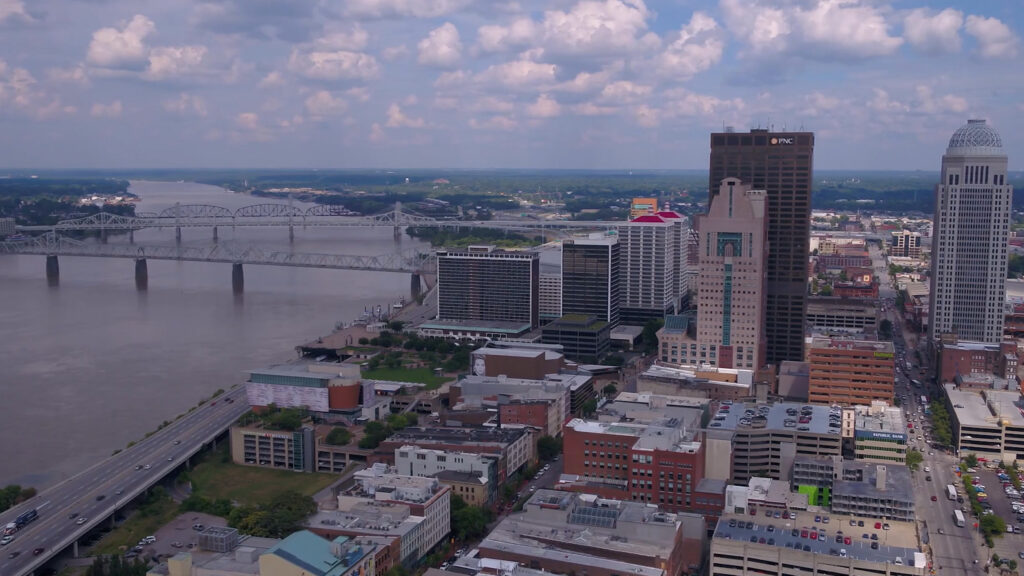
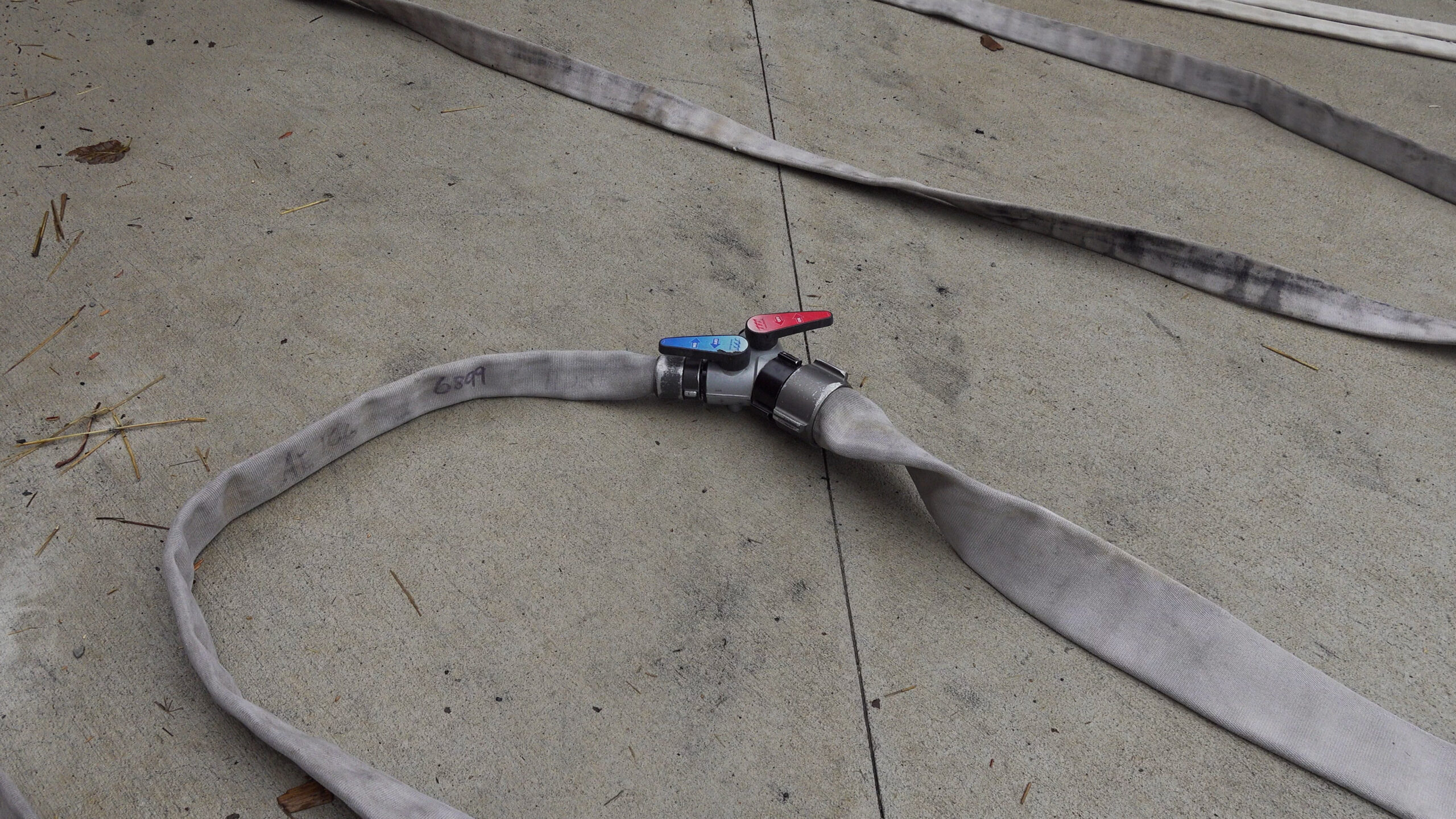
Louisville firefighters describe the courtyard lay as “taking a high-rise tactic and turning it sideways.” Crews deploy a 3-inch supply line with a gated wye into the courtyard or alley, then build attack lines from that point instead of trying to stretch directly from the apparatus to the fire apartment.
Their system allows:
Louisville deals with older neighborhoods, narrow alleys, setback buildings, and tight access conditions where positioning an engine close to the fire is unrealistic.
The tactic is built around the ideas:
Instead of dragging massive amounts of hose through courtyards and bottlenecks, crews move the water supply closer first, then advance lighter attack lines to the fire apartment.
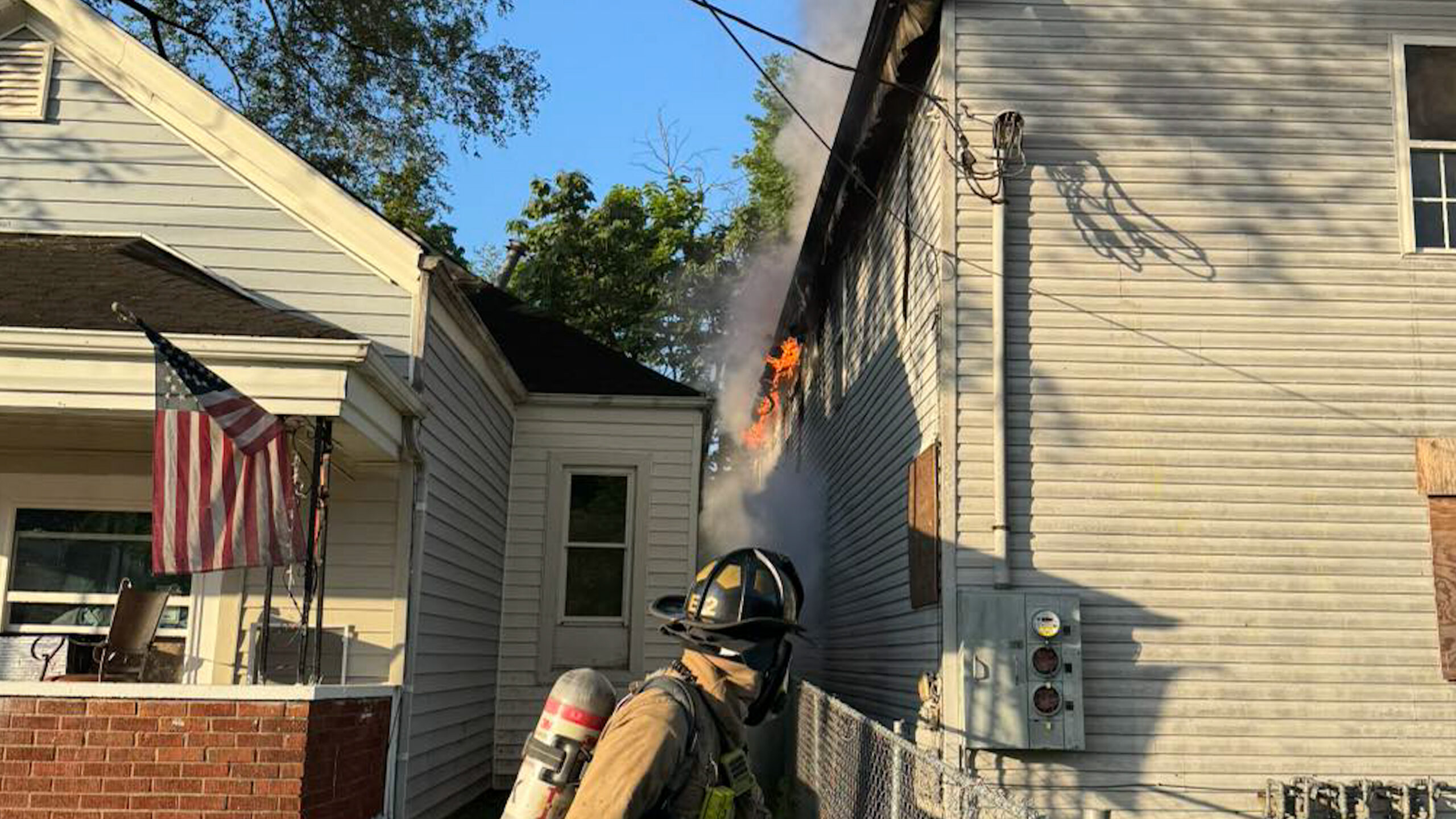
Louisville firefighters stress that the first-arriving companies can either set the operation up for success or create problems for everyone behind them.
Common mistakes include:
According to Philip Marchegion, once companies start improvising around bad positioning, crews are forced into “playing catch up.”
One of the biggest lessons in the episode is proper wye placement.
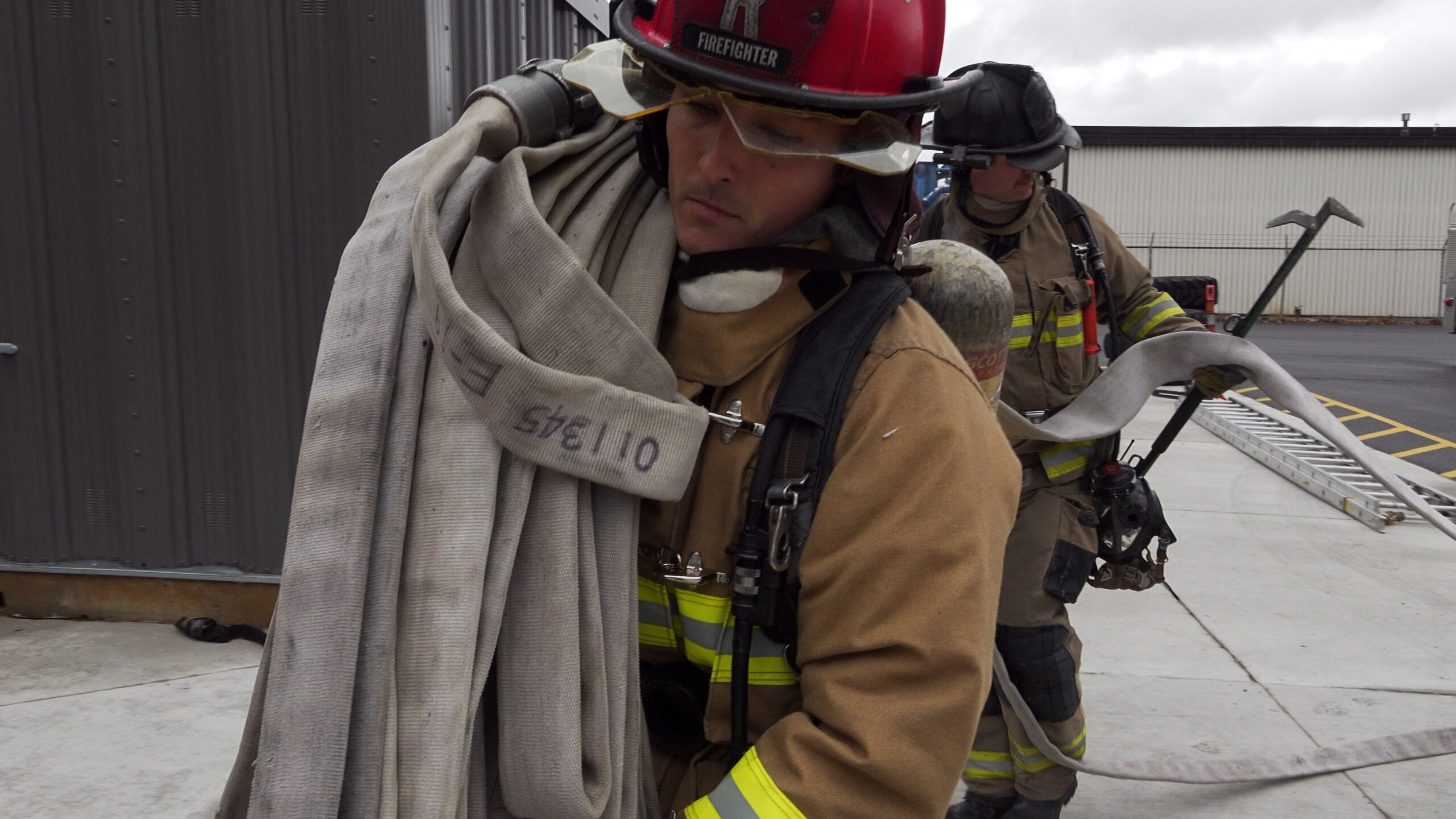
Jelen Greene explains that firefighters carry the gated wye on one shoulder and the 200-foot bundle of 1¾-inch hose on the other. The critical skill is judging distance correctly before dropping the wye.
Mistakes happen when:
Louisville emphasizes repetitions and practice so firefighters can judge:
Their goal is to place the wye where the line still has room to work before the interior push begins.
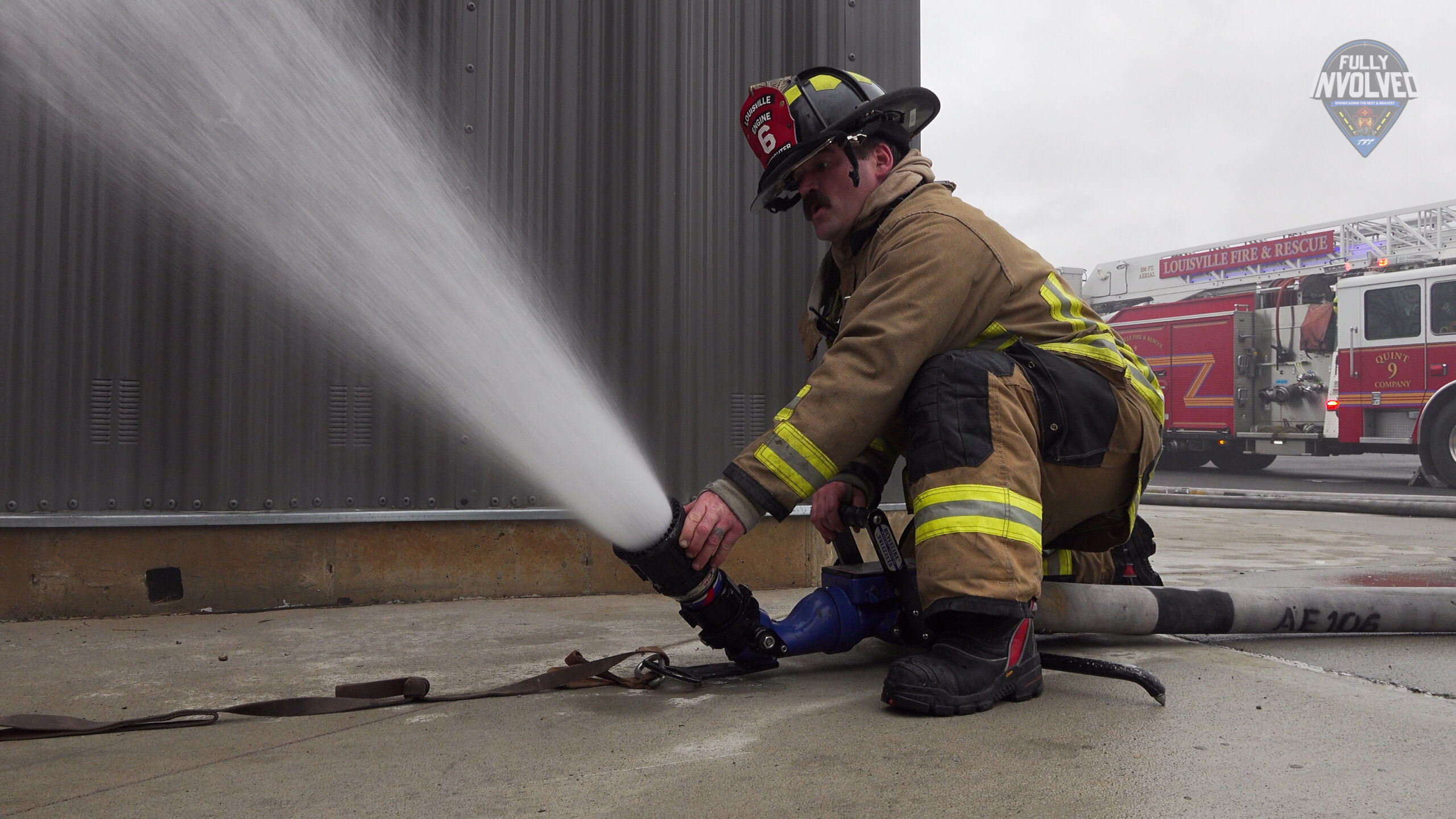
Louisville pairs BlitzFires with 3-inch hose for a simple reason: volume.
The tradeoff is weight and maneuverability, which is why it stays outside. It’s not an interior line—it’s a high-volume exposure tool.
Where to Aim: Protect the Exposure, Not Fight the Fire
A critical point Louisville emphasizes:
The goal is shielding—not extinguishment—from that position.
Louisville expects heavy fire conditions and builds water supply accordingly:
This ensures both the attack line and exposure lines can operate without delay or pressure issues.
When Exposure Protection Comes First
There are situations where crews will deploy BlitzFires before advancing inside:
In these cases, knocking back exposure risk buys time for a safer interior operation.
No one fights fires like your department. This is your chance to highlight your crew's aggressive tactics and unique responses.
Comments are closed.
Be the first to catch new episodes. Get updates straight to your inbox and never miss insights into regional firefighting tactics.